In the Bag
Cauliflower and tomatoes grown in plastic bags.
by Sampath Jagannathan
One man's cheap and organic alternative to fancy store-bought grow bags.
Take a plastic bag.
Fill it with soil.
Scatter some seeds.
Water.
Seedlings sprout.
Let them grow.
They become bigger.
Cover the soil with:
Fruit peels.
Uncooked vegetable waste.
Tea and coffee grounds.
Water when the plant asks for water.
It won't ask often.
Will it grow into a plant?Will it flower?
Will it fruit?
It did for me.
Search

Custom Search
Wednesday, August 4, 2010
One man's cheap and organic alternative to fancy store-bought grow bags.


Tuesday, August 3, 2010
What Can I Sprout?
What Can I Sprout?

ALFALFA. This has only recently been discovered to be excellent for sprouting. Alfalfa comes from North Africa where it is used as a crop for animals and green manure. Some believe alfalfa sprouts to be the most nutritious food in the world. They are high in protein, chlorophyll, calcium, potassium, vitamin A, and vitamin K. When the root is 1 1/2 inches long , it will begin to develop tiny green leaves. At this stage it needs to be eaten immediately so the plant will not switch to photosynthesis that exhausts the stored food in the seed. Raw alfalfa is delicious in stuffing pitas, nori sheets or sandwiches, using an avocado dressing. It would seem a grievous act to cook these delicate threads of life.
Top Programs
BARLEY. Barley converts the largest amount of starch to sugar which is why it is widely used in producing beer. It has therefore been studied more thoroughly than any other seed. Again, as with many grains, the roots should be no longer than the seed size itself.
CHICKPEAS. Commonly known as garbanzo beans. Primarily a pulse crop grown in India. The sprout is tender and delicious and is ready toe at when the root is between 1 1/2 and 2 inches long. Cooking requires only 5 minutes.
CORN. Finding corn for sprouting is a real trick because the germ is rarely intact because of how the kernels are removed from the cob. The root should be allowed to grow for only 1 inch in length. Cooking time is approximately 8 minutes.
FENUGREEK. This legume is still used in medicine, food and teas. It is a spicy seed that is excellent for making curry. Use when the sprout has grown to 1 1/2 inches long. Fenugreek is often sold where the seeds are broken for making fenugreek tea. Make sure you buy whole fenugreek seed.
LENTILS. When lentils are sprouted, they become sweeter with a delicate flavor. They need only 5 minutes of cooking compared to 30 minutes for dried lentils. But we love them raw! Lentil sprouts are ready to be eaten when the root is 1 inch long.
MUNG BEANS. These are the easiest to sprout for beginners. Mung bean sprouts are common in Chinese restaurants and grocery stores. They have a delightful fresh raw flavor. When the bright white root grows from 1 1/2 to 2 inches long, they are ready to eat. Cook no more than 3 minutes.
PEAS. Sprouting peas increase their sugar content, giving pea sprouts a sweet vegetable flavor. Wrinkled or smooth varieties work equally well. When root is 2 inches long, they are ready to eat raw, or need only 5 minutes for cooking.
SOYA BEANS. These are the most nutritious of all sprouts and are commonly used in China. The small soy bean that is yellow color is excellent for sprouting. Soya beans are considered fairly difficult for the experienced sportiest because they are prone to fermentation, especially during the warm weather. To overcome this problem, rinse sprouts often and remove discolored and unsprouted seeds. They are ready to eat when the root is 2 inches long. Soya bean sprouts require approximately 10 minutes for cooking. These sprouts are higher in protein than any other bean.
SPROUTED BREAD. This delicious cake-like bread has been enjoyed for thousand of years. Sprouting grains and baking at low temperatures allows the wheat to be less mucus-forming and more digestible. This is a better quality bread because it is closer to a living food. Sprouted bread can be bought at your local health food store.
VARIOUS LEGUMES. Other legumes that can be sprouted successfully are lima, maro, pinto, kidney, harlot, navy, aduki, and broad beans. You can also sprout black-eyed, cowgram, pidgeon and redgram peas. Some of these may be difficult to find but are fast becoming more available.
WHEAT. A light delicious flavor resembling fresh, picked corn. The sprouts should not be longer than 1/2 inch or less. Grains sprouts grow faster than legumes and refrigerating them does not seem to slow them down. Do not confuse wheat grass and wheat sprouts. As wheat sprouts become wheat grass, they take on completely different nutritional properties. Wheat sprouts cook within 8 minutes or less. When can be bought in health food stores.

Spice It Up With Herbs

Herbs and spices are the perfect partner to fruits and vegetables for bringing out flavor. Chamomile, cayenne, cinnamon and hops all give different flavors to your carrots, or you can spread horseradish or mint spreads on bread for wildly different effects.
Even better, many herbs have doubled through the centuries as healing medications. Today, including certain herbs in your diet can make you feel better. Fresh herbs are best for flavor and for most medicinal purposes (and you can even grow your own in a kitchen or windowsill garden), but dried herbs will do as well. Herbs are primarily made of the whole plant – blossom, root, stem, and seed. Spices are similar, but tend to be stronger, aromatic, and tropical in origin. Spices are also great at preserving food as well as seasoning it.
Herbs are mild and used for more delicate flavors, but spices tend to be bold, even overpowering if used to excess. However, the two terms are often used interchangeably.
Herbs can be dried in the oven, if you don’t allow the temperature to exceed 90 degrees Fahrenheit – that’s setting the oven on Warm. Spread the herbs evenly on a cookie sheet, and keep the door of the oven ajar so that air can circulate. After the herbs have fully dried, keep them away from light, in a relatively cool place and in an airtight container, preferably glass or pottery.
In some way you have linked spices with successful cookery - and now you want to know more about them.
Part of the "mystery" of spices is the inexactness of knowledge about what they are. "Is garlic salt a spice?" "What's an herb?" The word "spice" is used generally to cover the waterfront of spices, seeds, herbs and the vegetable seasonings.
HERB AND SPICE GUIDE
(The information below was reprinted with permission from the www.astaspice.orgwebsite!)
eSpices are parts of plants which usually grow in the tropics. Seeds, such as mustard, caraway and poppy are actually seeds, or sometimes fruit, of plants which grow in either tropical or temperate zones. Herbs are always leaves of temperate zone plants.
Vegetable seasonings are usually dehydrated, ground vegetables, such as onion or garlic. The accompanying chart will tell you whether it's a spice, seed, herb or blend. The latter simply refers to a careful mixture of spices, seeds, herbs and vegetable seasonings according to some time-honored formula.
Anise: Seed Whole and Ground
Color-brown with tan stripes Flavor-delightful sweet licorice aroma and taste
Coffee cake, sweet breads, rolls, cookies; fruit compote, stewed apples, preserved fruits, all fruit pie fillings; licorice candies, sweet pickles; beef and veal stew; cottage cheese.
Basil: Herb
Available as dried crushed leaves and stems. Color-light green Flavor-pleasant, mild, sweet, distinctive
All tomato dishes, peas, squash, string beans, potatoes, spinach; French and Russian dressing or sprinkle over salads; bean soup, pea soup, beef soup, Manhattan clam chowder; broiled lamb chops, venison, beef, lamb and veal stews, veal roasts; shrimp, shrimp Creole, boiled and steamed lobster; spaghetti sauce; scrambled eggs; soufflés.
Bay Leaves: Herb
Available as dried whole leaves. Color-light green Flavor-very mild, sweet, distinctive
Pickled beets, beets, boiled carrots, boiled artichokes, boiled potatoes vegetable soup, fish chowders; lamb, beef, veal, venison, poultry, fish stews; boiled or steamed shrimp and lobster; chicken casserole, boiled chicken; pickled meats; brine for smoked meats; pot roast; boiled pork; meat gravies; marinades.
Cinnamon: Spice
Whole Color-light brown Flavor-distinctive, sweet, spicy
Ground Color-light brown Flavor-similar to above, sweeter and slightly stronger
Buns, coffee cake, muffins, spice cake, molasses cookies, butter cookies, cinnamon toast; custards, tapioca, chocolate pudding, rice pudding; fruit pies, broiled grapefruit, apples in any form, stewed fruits, pickled fruits; heated spiced beverages, hot cocoa and chocolate drinks; sweet gherkins; sweet potatoes, pumpkin, squash.
Cloves: Spice
Whole Color-dark brown Flavor-distinctive, spicy, sweet, penetrating
Ground Color-rich brown Flavor-sharp, spicy, pungent
Ham, boiled tongue, pork roast; pickled fruits; preserved fruits; stewed fruits; apple, mince and pumpkin pies; beets, baked beans, candied sweet potatoes, squash; hot spiced wines, hot tea; spice cake; sweet gherkins; rice pudding, chocolate pudding, tapioca; bean soup, beef soup, cream of pea soup, cream of tomato soup.
Crushed Red Pepper: Spice
Color-bright red to orange Flavor-hot
Pizzas; sausages; Italian specialties; wherever heat and spot color are desired.
Garlic Powder: Vegetable Seasoning
Color-white Flavor-garlic (product is result of dehydrating and grinding garlic). Contains no salt. Granulated garlic is similar product but more coarsely ground. Wherever garlic is used.
Garlic Salt: Vegetable Seasoning
Color-white Flavor-similar to garlic powder but much milder because of addiction of salt Wherever slight garlic flavor is desired.
Mint: Herb
Whole Color-green Flavor-distinctive, sweet aroma
Flaked Color-green Flavor-same as above
Jelly, ice cream, custard, fruit salad, fruit compote; frostings; split pea soup; lamb and veal roast sauces; cottage cheese salad; white potatoes, cabbage, carrots, celery, snap beans; tea; mint sauce.
Nutmeg: Spice
Ground Color-copper Flavor-distinctive, exotic, sweet
Doughnuts; eggnog, custards, puddings; whipped cream, ice cream; fried bananas, stewed fruits; spice cake, coffee cake, cookies, pumpkin pie; steamed and glazed carrots, cabbage, spinach, snap beans, squash, onions, sweet potatoes; meat loaf.
Onion Powder: Vegetable Seasoning
Color-white Flavor-onion (product is result of dehydrating and grinding onion.) Contains no salt. Granulated onion is similar product but more coarsely ground. Wherever onion flavor is desired.
Onion Salt: Vegetable Seasoning
Color-cream Flavor-similar to onion powder but much milder because of addition of salt Wherever slight onion flavor is desired.
Oregano: Herb
Whole Color-green Flavor-distinctive, strong
Ground Color-olive green Flavor-same as above
Pizza pie, spaghetti sauce, meat sauce; Swiss steak, beef stew, broiled and roast lamb, pork and veal, poultry; gravies; stuffed fish; cheese spreads; beef soup, bean soup, tomato soup; butter sauce for shell fish; cream and tomato sauces; vegetable juice cocktail; onions, peas, white potatoes, spinach, string beans.
Paprika: Spice
Ground Color-red Flavor-distinctive, very mild
Poultry, ham, goulash, fish, shellfish; salad dressings; vegetables; gravies; cheese, Welsh rabbit; canapés; deviled eggs; stuffed celery, cream soups, chicken soup, chowders.
Parsley Flakes: Herb
Color-green Flavor-distinctive, mild
Soups; salads; coleslaw; meat, stews, fish, poultry; sauces; all vegetables; omelets; potatoes.
Black Pepper: Spice
Whole Color-dark brown Flavor-distinctive, pleasant spicy bouquet with palate-tingling flavor and enduring after-taste.
Ground Color-varies from cream to black Flavor-same as above
Almost all foods, except those with sweet flavors. If you are preparing a non-sweet dish that "needs something" try a little pepper first. It is used universally to add sparkle to foods, including: Pickles; soups; poultry, meats; fish; shellfish, game; sauces, gravies, marinades; salads; eggs; cheese spreads; vegetables; spiced vinegar.
Rosemary: Herb
Whole Color-green (looks like a pine needle) Flavor-distinctive, delicate, sweetish
Roast and broiled lamb, beef, pork, veal, game, poultry; salmon; deviled eggs; cheese sauces; sautéed mushrooms; boiled potatoes, green peas, squash; creamed seafood; chicken soup, split pea soup.
Sage: Herb
Whole Color-olive green Flavor-distinctive, positive
All pork dishes; meat, fish and poultry stuffing; brown sauces; cheese spreads; consommé, cream soups, fish chowders; salad greens, French dressing; Brussels sprouts, onions, lima beans, peas, tomatoes.
Saffron: Spice
Whole and Ground Color-predominantly maroon Flavor-distinctive, exotic, concentrated (not strong, yet a little goes a long way)
Rice; rolls, breads, buns; fish stew; bouillabaisse chicken; chicken soup; cakes.
Tarragon: Herb
Whole and Ground Color-green Flavor-distinctive, fresh, pleasant
Marinades for meat, butter sauce for steaks; poultry; salads; omelets; fish and shellfish; vegetable juice cocktail; chicken soup, consommé, fish chowder, tomato soup; vinegar; broccoli, asparagus, beans, cabbage, cauliflower.
Thyme: Herb
Whole Color-gray-green Flavor-distinctive, pleasantly penetrating
Ground Color-light olive green Flavor-slightly stronger than above
Fresh tomatoes, tomato spice, salads; poultry stuffing, croquettes, fricassees; fish chowders, gumbo, vegetable soup; shirred eggs; all meats; seafood sauces; artichokes, beans, beets, carrots, mushrooms, onions, potatoes.
Turmeric: Spice
Whole and Ground Color-orange (used mostly for its color) Flavor-mild, slightly bitter
Pickles, relishes, prepared mustards, salad dressings; creamed eggs, fish, seafood; to color rice dishes where saffron is not used.

Sunday, August 1, 2010
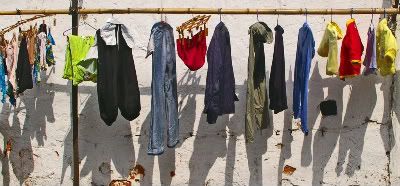
5 Reasons To Line Dry Your Laundry
5 Reasons To Line Dry Your Laundry

1. It saves money.
This is the obvious one. Dryers use up a lot of electricity — almost more than any other household appliance. The U.S. Department of Energy estimates that an electric clothes dryer accounts for almost six percent of a household’s annual electricity consumption.
That may not sound like a lot, but consider how many items in your modern-day dwelling use electricity. If you average $100 a month for your electric bill, your clothes dryer accounts for $72 per year. That’s almost another month of electricity in your home.
All I know is, since we’ve been line drying almost exclusively, our electric bill is considerably lower than it was last year. That’s a good enough reason for me. It cost us $20 for a drying rack and $4 for a ton of clothespins. Not a bad deal.
2. It saves the clothes.
Yes, dryers make your clothes softer, but they also weaken the fabric’s fibers much faster than if they had been air dried. All that lint after a cycle in the dryer? That’s fabric slowly wearing off of your clothes. It’s gradual, for sure, but in our family, we prefer buying fewer quality clothes, so I want them to last as long as possible.
Photo by Billy Verdin3. We go through less laundry.
Since line drying takes a (tiny) bit more of my time, I’m a bit more aware of whether our clothes actually need to be washed, or whether they could be worn another time. I don’t know what it is — I think it’s because the act of hanging out our clothes to dry is a more active activity than tossing them into the dryer while I start something else.
When life isn’t crazy, I usually do one load of laundry about five days a week (which includes two loads of cloth diapers). It’s truly a pretty quick and painless process — a toss into the washer with Soapnuts and a few drops of essential oil, and then a trip on the clothesline.
A few hours later, I take down the clothes, fold them immediately, put them away, and… that’s it.
4. It uses less chemicals.
The sun is a natural whitener, so when you put thoroughly wet whites out on the line, the stains fade naturally. No need for bleach. In fact, I hear putting wet whites on fresh grass to air dry gets them stunningly white.
The dryer causes static cling, and the ingredients found in dryer sheets is like a criminal line-up of carcinogens. Line drying takes cares of this need.
5. It’s therapeutic.
I genuinely like hanging our clothes out to dry. Most of the time, it’s a few minutes of peace with my thoughts, doing something basic and methodical with my hands. It’s one of those acts of quotidian liturgy that, for me, is a simple act of service for my family. I enjoy praying for each person who wears the clothes I’m hanging.
Other times, my kids join me to hang clothes, and that can be just as fun. My four-year-old hangs the clothes in all sorts of artistic ways (which I often have to re-do later), and my toddler giggles at the feel of damp, cool clothes brushing his head as he walks under the rack. He also loves emptying and restocking the clothespin basket, handing me one as needed.
Much like showering, I get some good thinking done. While my body is busy doing something rote and routine, my mind is free to wander. Where do you think I came up with this post idea?
Photo from sxc.huTips for Clothes Drying
• If you don’t like the stiffness of line-dried clothes, you can give them a quick spin in the dryer for five minutes after they’re dried. It’ll soften the fibers a bit.
• Plan your laundry colors with the sun’s peak. I aim to have my whites drying in the late afternoon, when the sun is at its brightest here.
• Clothes will line dry even when it’s cooler or wetter. Simply put them under a roof, like a covered patio or balcony. And if you have a drying rack (as opposed to a permanent clothesline), you can bring your drying laundry inside overnight.

Subscribe to:
Posts (Atom)